How to Choose the Best High Speed Boat for Your Needs?
Choosing the right Boat High Speed Boat can be a daunting task. With various types available, understanding your specific needs is essential. High-speed boats can enhance your experience on the water, but not every option suits every individual.
Consider your intended use—recreational fishing, racing, or leisurely cruising. Each purpose may require different features. Pay attention to the engine power, size, and weight. An unsuitable choice can lead to dissatisfaction and regret.
Research is vital in making an informed decision. Reliable reviews and expert advice are invaluable. Dive into the world of boats, but remember: perfection is subjective. Reflect on your priorities before making that significant investment.
Understanding Your Needs for a High-Speed Boat
Choosing a high-speed boat begins with understanding your unique needs. Consider how you plan to use the boat. Will it be for racing, leisure cruises, or fishing? Each purpose requires different features. For instance, racing demands superior speed and agility, while fishing may require stability and storage.
Think about the number of passengers you’ll typically have. A smaller boat may suffice for solo trips or just a few friends. However, larger gatherings call for more seating and comfort. The boat's size impacts maneuverability and storage, so weigh your options carefully.
Budget is another important factor. High-speed boats vary widely in price and features. You may need to compromise on luxury for speed. Reflect on what truly matters to you—style, comfort, or performance. This reflection ensures you choose a high-speed boat that best suits your lifestyle without unnecessary splurge.
Types of High-Speed Boats and Their Features
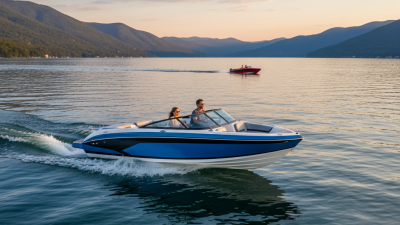
When selecting a high-speed boat, understanding the different types is crucial. Powerboats are popular for their speed and agility. They often feature powerful engines, allowing for thrilling rides across open waters. Their lightweight construction helps achieve high speeds, making them a favorite among sport enthusiasts.
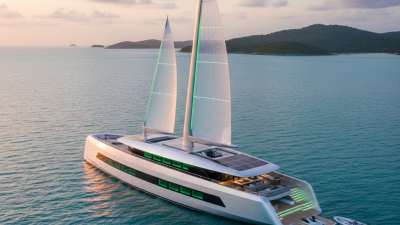
Sailboats are another option, blending adventure with elegance. Though they rely on wind for movement, modern designs can still reach impressive speeds. High-performance sailing yachts often incorporate advanced materials and technologies. However, they require skill to operate effectively.
Jet boats provide a unique driving experience. They use jet propulsion, making them great for shallow waters. Their maneuvers are sharp, allowing for quick turns and agile handling. This design does come with challenges in maintenance and fuel efficiency. Choosing the right type of boat demands careful consideration of your needs and preferences. Each type has its advantages and drawbacks.
How to Choose the Best High Speed Boat for Your Needs? - Types of High-Speed Boats and Their Features
| Boat Type |
Top Speed (mph) |
Typical Use |
Key Features |
| Performance Boat |
70-100 |
Racing, Recreation |
Lightweight, High Power Engines, Aerodynamic Design |
| Jet Boat |
50-70 |
Water Sports, River Cruising |
Shallow Draft, Maneuverability, Versatile |
| Cigarette Boat |
60-80 |
Luxury Recreation, Power Boating |
Powerful Engines, Stylish Design, Comfortable Seating |
| Inflatable Boat |
30-50 |
Tender, Recreation |
Lightweight, Portable, Easy to Store |
Key Specifications to Consider When Choosing a High-Speed Boat
When choosing a high-speed boat, there are several key specifications to consider. Speed is crucial. Most high-speed boats can reach speeds of 50 to 70 knots. However, the right speed depends on your needs. Are you racing, or is it for leisure?
Weight and design also play significant roles. A lightweight hull allows for faster speeds and better maneuverability. Materials like fiberglass or carbon fiber enhance performance while reducing drag. Engine power is another critical factor. Engines typically range from 150 to 1,200 horsepower. Higher horsepower leads to faster acceleration but can increase fuel consumption.
Another aspect to think about is stability. Boats with a deep-V hull design often provide better stability at high speeds. The length of the boat affects this as well. Longer boats tend to cut through waves more smoothly, reducing discomfort. Remember, your priorities may shift based on usage. Reflect on where you will operate the boat the most. Each specification has its trade-offs, and striking the right balance is crucial.
Speed vs. Fuel Efficiency of High-Speed Boats
This bar chart illustrates the relationship between speed and fuel efficiency of different high-speed boats. As the speed increases, fuel efficiency tends to decrease, highlighting a trade-off that boaters must consider when choosing a high-speed boat.
Evaluating Price vs. Performance in High-Speed Boats
When evaluating high-speed boats, price and performance are critical. Price often reflects quality. However, higher prices do not always guarantee superior performance. It’s essential to consider what you need. A boat that performs well in your local waters might not suit other conditions. Think about the type of water you'll navigate.
Consider performance requirements carefully. Maximum speed, handling, and fuel efficiency can vary greatly. A boat with a powerful engine might seem ideal. However, that can lead to increased fuel costs. Review your average usage to balance these factors.
**Tips:** Test drive different models. Pay attention to handling in various conditions. Think about maintenance costs as well. A cheaper boat might require more repairs, affecting performance and your wallet. Evaluate used options too—sometimes they offer the best balance of price and quality. Stay focused on essential features rather than luxury add-ons you might not need.
Safety Considerations for High-Speed Boating Activities
When engaging in high-speed boating, safety must be a top priority. Data from the U.S. Coast Guard indicates that about 70% of boating accidents occur due to operator inattention and failure to maintain a proper lookout. These factors can be mitigated by practicing vigilance and ensuring that all passengers are educated about safety protocols before the trip. Utilizing basic safety equipment, like life jackets and emergency kits, can significantly reduce the risk of accidents.
High-speed boats can pose unique risks. The National Association of State Boating Law Administrators (NASBLA) reports that high speeds can make boats harder to maneuver, especially in rough waters. Operating a boat at high speed requires skill and awareness. It’s crucial to assess weather conditions and be aware of other boaters. Training sessions can provide essential skills and insight.
Even experienced boaters can overlook safety measures. For instance, ensuring that your vessel is properly maintained is often forgotten. Regular checks on the engine, fuel systems, and navigation lights can prevent technical failures. Creating a safety plan with clear communication among crew members can also enhance safety. Being proactive can help make boating experiences enjoyable and safe.